Selenium Status and HIV Infections

HIV (human immunodeficiency virus) is still very much a public health concern. Deficiencies of certain micronutrients are known to play a role in the progression of HIV infections to AIDS (acquired immunodeficiency syndrome). In particular, adequate intakes of selenium are important because of selenium’s antioxidant and anti-inflammatory activities in HIV infection [Pourmoradian 2023].

Umbrella Study of Systematic Reviews of Selenium and HIV Studies
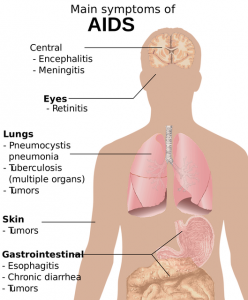
Symptoms of AIDS Poster
Selenium levels are often low in individuals infected with HIV virus. Selenium supplementation can slow the decline in CD4 cell counts, can reduce the risk of hospitalization, can prevent increases in the HIV-1 viral load, and can slow the progression of the infection to AIDS.

In a 2023 umbrella study of systematic reviews of studies of selenium in HIV patients, Pourmoradian et al found the following evidence:

  • Four reviews showed that selenium supplementation at the level of 200 mcg/day was effective in delaying CD4 decline in HIV-infected patients.
  • Three reviews showed that selenium supplementation at the level of 200 mcg/day significantly reduced HIV viral load.
  • The researchers suggested that the underlying mechanism of the selenium effect on HIV progression is the improvement of the immune response and the antioxidant defense system.
  • In particular, the selenium-dependent glutathione peroxidase (GSH-Px) enzyme system reduces the extent of oxidative stress, indirectly strengthens the immune system, and slows the progression of the disease.

Note: CD4 cells are lymphocytes that help to coordinate the immune response to infections. If an HIV patient’s CD4 cell count falls below 200 cells per cubic millimeter of blood, then the HIV infection is considered to have progressed to the AIDS stage. In healthy individuals, the CD4 count will be between 500 and 1,600 cells/cubic millimeter of blood. read more
HIV Infection and Selenium Supplementation

HIV infection is associated with a higher risk of tuberculosis and death.  Selenium deficiency is associated with an increased risk of HIV infection. Several trials have shown that selenium supplementation of patients with HIV is associated with beneficial outcomes [Muzembo 2022].

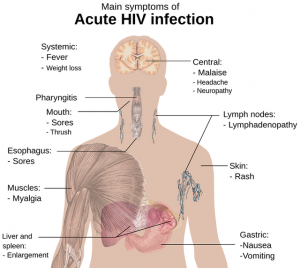
HIV symptoms
HIV = human immunodeficiency virus.

Muzembo et al conducted a systematic review of six randomized controlled trials of selenium supplementation of HIV-infected patients. They reached the following conclusions [Muzembo 2022]:

  • Daily supplementation with 200 mcg selenium slowed the loss of CD4 cells in HIV-infected patients.
  • The length of selenium supplementation and HIV infection studies varied from 9 to 24 months.
  • The selenium supplements were well tolerated in all six studies.
  • Further investigation of the effects of daily selenium supplementation of HIV-infected patients is warranted.

Note: CD4 cells are a particular type of white blood cells that help the immune system fight infections. CD4 cells are also known as CD4 lymphocytes and helper T cells [MedlinePlus 2022].

If untreated, the HIV infection will destroy many CD4 cells, and the immune system will not be able to fight off opportunistic infections [MedlinePlus 2022]. read more

Selenium and Immune Function and DNA Repair

Selenium is a trace element essential for for DNA repair, for  good immune function, and for reduced mortality risk.

DNA double helix
Cell studies, animal models, and human clinical trials suggest that an optimal supply of selenium is required to enhance the process of DNA damage repair.

The Micronutrient Information Center maintained by staff members at the Linus Pauling Institute of the Oregon State University provides reliable information about the vitamins and minerals and trace elements used in nutritional supplements.

Today, I want to summarize the information that the Center provides about selenium and supplement that information with the latest scientific research.

An Introduction to Selenium and Selenoproteins

Selenium is a trace element that is essential that humans need for the proper functioning of selenium-dependent selenoproteins. Free selenium is rare in the body. Instead, the selenium in the body is typically a component of selenomethionine, selenocysteine, and methyl-selenocysteine. read more

Selenium Supplementation and HIV Infections: A Review

Symptoms of AIDS
The six selenium and HIV infection studies show a beneficial effect of daily supplementation with 200 micrograms of selenium on immune function, in particular on CD4 white blood cell counts. The same beneficial effect on the immune system may be protective against other forms of infection, including against Covid-19 infections.

Six randomized controlled studies show that providing daily selenium supplementation to HIV-infected adults increases CD4 cell counts, reduces the risk of diarrhea morbidity, and lowers hospital admission rates for HIV-related conditions and opportunistic infection in HIV-infected adults [Kayode 2020].

Alexander et al [2020] have recognized the importance of selenium to immune system function and have recommended the initiation of adequate selenium supplementation in high-risk Covid-19 areas and as soon as possible after a suspected Covid-19 infection.

Richie et al [2014] have shown that selenium supplementation in the form of selenium-enriched yeast provides significantly greater protection against oxidative stress than supplementation with exclusively selenomethionine does. read more

Selenium and HIV and opportunistic infections

Individuals infected by the human immunodeficiency virus (HIV) that causes acquired immunodeficiency syndrome (AIDS) commonly have low selenium status. Selenium supplementation can prevent or delay the decline of immune system function and can protect against opportunistic infections.

Selenium supplements – especially selenium supplements as a component of a multi-micronutrient cocktail – can help to delay the decline of the immune system and can reduce the risk of death in HIV-infected patients.  Most of the data that we have comes from randomized controlled studies carried out in African countries, but the results are relevant to the United States and Europe.  Moreover, the results from studies of HIV-infected patients speak to the issue of the anti-microbial protection and antioxidant protection that comes with adequate selenium status.

Selenium and HIV and CD4 counts
CD4 cells are white blood cells that are part of the immune system.  Specifically, the CD4 cells fight infections in the body.  The HIV virus kills CD4 cells.  When a person has fewer CD4 cells, he or she is at greater risk of contracting an infection. read more