
Blood Sugar Control and Selenium Supplementation

Blood sugar levels. Insulin sensitivity. Risk of diabetes. What, if anything, is the likely effect of selenium supplementation on glycemic control?
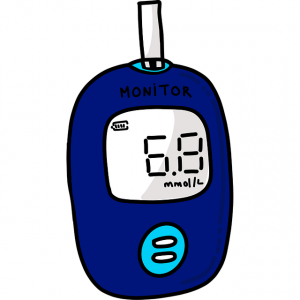
Blood sugar monitor
To maintain blood sugar levels within the normal range, the CDC recommends eating at regular times, not skipping meals, eating foods lower in calories, saturated fat, trans fat, sugar, and salt, drinking water instead of juice or soda, limiting alcohol intake, and exercising. Adequate intakes of selenium are also important.

Glycemic control is the maintenance of blood sugar levels within an acceptable range to prevent the adverse effects of low blood sugar and high blood sugar.

The best measure of glycemic control is the HbA1c test. This blood test HbA1C gauges the average glucose level in the blood over a period of approximately three months. It is considered a good predictor of diabetic complications.

Checking Blood Sugar

The US Center for Disease Control and Prevention suggests that logical times for testing blood sugar levels are as follows [CDC 2022]:

  • When first awake and before eating or drinking anything
  • Before a meal
  • Two hours after a meal
  • At bedtime
Target Blood Sugar Levels

The CDC suggests the following desirable blood sugar levels [CDC 2022]: read more

Selenium Supplementation and Blood Sugar Levels

Testing blood sugar
The results of randomized controlled trials of selenium supplementation show beneficial effects or no effect on blood sugar levels and insulin sensitivity values. In this review, we summarize the study results.

The effect of selenium supplementation on blood sugar levels and on the risk of diabetes is still an open question. However, the data from randomized controlled studies show that selenium supplementation is associated with either a beneficial effect or no effect at all on blood sugar levels, insulin sensitivity, and glucose tolerance [Jablonska 2016].

Study Participants with Type-2 Diabetes

Beneficial effect. In a 2019 study, the participants were 72 male and 22 female patients aged 48 to 64 years old with diabetes mellitus type 2. They were smokers, all of them, and they all followed a Mediterranean diet.

The researchers administered selenium 200 microg/day once daily on an empty stomach. The study data showed a statistically significant reduction in the blood levels of glucose and in HbA1c values at both three months and six months after the beginning of the treatment. The administration of selenium to type-2 diabetic patients seemed to improve the patients’ glycemic profile [Karalis 2019]. read more