
Selenium and Mercury Toxicity

Nick Ralston has spent many years doing research into the interaction between selenium and mercury in the human body. He is a research scientist and adjunct professor in the Department of Earth System Sciences and Policy at the University of North Dakota. His research has changed how scientists and regulators think about mercury’s impact on human health. Now, scientists regard selenium status as a central factor in determining the risk of mercury toxicity [Ralston 2018; Ralston 2010].
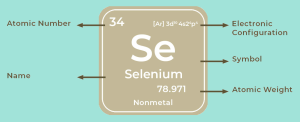
Selenium basic facts
Selenium and mercury interact strongly with one another. Selenium can bind to mercury and protect brain from damage. However, mercury’s binding to selenium reduces the amount of selenium available for antioxidant defense and thyroid function.

Previously, the most common explanation of mercury toxicity was that mercury exposure directly caused oxidative stress. Selenium’s binding with mercury, it was thought, reduced the risk of oxidative stress and reduced the risk of mercury toxicity. read more

Selenium and Diabetes and Insulin Resistance

What do intervention studies show about selenium supplementation and diabetes risk?

Diabetes finger prick
Selenium supplementation studies show improved insulin sensitivity in adults with diabetes and insulin resistance who have low selenium status.

A 2026 review has found that selenium supplementation improves insulin sensitivity in individuals who are low in selenium. The effect is especially evident in adults with diabetes or insulin resistance. The effect of selenium supplementation in women with polycystic ovary syndrome and in postmenopausal women is less unequivocal. Moreover, studies show that selenium supplementation of individuals with replete selenium status does not make sense [Morales-Juárez 2026].

What other effects, in addition to improving insulin sensitivity, does selenium supplementation have in individuals with diabetes or insulin resistance? read more