
Selenium and Coenzyme Q10 Slow Down Telomere Shortening

Anti-aging effects. Longevity.  Telomere length.  Daily supplementation of senior citizens with selenium and Coenzyme Q10 for 42 months slowed down telomere shortening and reduced the risk of death from cardiovascular disease [Opstad 2022]. The two substances in combination — selenium and Coenzyme Q10 — may be the key to slowing down biological ageing.

What Are Telomeres? Why Are They Important?
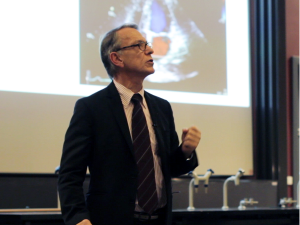
Prof Urban Alehagen
The latest sub-study of the KiSel-10 Study data shows that combined selenium and CoQ10 supplementation not only reduces the risk of death from heart disease but also has anti-ageing properties. Pictured here: Professor Urban Alehagen.

Telomeres are the segments of DNA sequences that protect the ends of chromosomes from becoming frayed or tangled. Every time a cell divides, the telomeres become a little bit shorter. When, with increasing age, the telomeres become too short, the cell cannot divide successfully, and the cell dies [National Human Genome Research Institute 2022]. read more

Impact of Selenium Status on Ageing

Selenium is an essential trace element. Essential means that sufficient selenium is necessary for normal cell functioning and that our bodies cannot synthesize selenium for us. We must get it from our diets. Trace element means selenium is a micronutrient that is needed in very small quantities, in microgram quantities. It may be an important element to slow the ageing process.

Elderly couple
Selenium as a component in protective enzymes helps to keep us healthier longer in life. It helps to suppress oxidative stress and to decrease inflammation, to remove misfolded proteins, to decrease DNA damage, and to promote telomere length.

Sufficient selenium status plays an important role in the prevention of cardiovascular diseases, inflammation, and infections. Prof. Margaret P. Rayman, University of Surrey, estimates that serum/plasma selenium status of around 125 mcg/L is optimal for human health [Rayman 2020].

The beneficial work of selenium in the cells and tissues is done by selenoproteins that contain the amino acid selenocysteine in the active center. Among the selenoproteins known to have an antioxidant effect in the body are the glutathione peroxidases (GPX1-4 and GPX6) and the thioredoxin reductases (TXNRD1-3) [Alehagen 2021]. read more