

Selenium Supplementation: No Adverse Effect on Insulin Resistance

Researchers at the Arizona Cancer Center report study results that do not support any significant adverse effect of daily supplementation with 200 micrograms/day of selenized yeast on beta-cell function or insulin sensitivity. High-selenium yeast preparations contain more selenium species with more biological functions than the 100% selenomethionine preparations do.

Researchers at the University of Arizona Cancer Center in Tucson have reported interesting findings on insulin resistance with respect to selenium supplementation [Jacobs 2019]:

  • Supplementation with 200 micrograms/day of a selenized yeast preparation for 2.9 years had no effect on insulin sensitivity or beta-cell function as compared with the placebo group.
  • Further stratification of the data by sex and age showed no effect modification in response to the selenium supplementation.

The Take-Home Message from this Selenium Research

  • The Arizona Cancer Center research does not support the idea of a major role for selenium in insulin sensitivity or beta-cell function.
  • The University of Arizona researchers write that their results provide key information for clinicians to convey to patients in the USA about the use of selenized yeast dietary supplements.

The Selenium Supplementation Research Design

The researchers analyzed the data from a subset of 400 individuals who were participating in the Selenium Trial, a randomized, double-blind, placebo-controlled trial of the effect of selenium supplementation at 200 micrograms per day on colorectal adenomatous polyps [Jacobs 2019].

The data included the fasting plasma glucose and insulin measured both before randomization and within 6 months of completing the intervention.

The researchers compared changes in the homeostasis model assessment-beta cell function (HOMA2-%beta) and insulin sensitivity (HOMA2-%S) between the active selenium treatment group and the placebo control group. read more
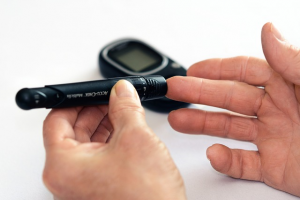
Selenium supplementation and insulin resistance: a clinical study

The latest clinical evidence shows that selenium supplementation of older adults with 200 micrograms of a high-selenium yeast preparation for up to three years does not adversely affect pancreatic beta-cell function or insulin resistance.

Results from a clinical trial comparing 200 micrograms of selenium supplementation with placebo supplementation show no effect of the selenium supplementation on measures of insulin secretion and insulin resistance [Jacobs]. 

These results can be regarded as important evidence that selenium supplementation for up to three years in older individuals has no diabetes causing effects in humans [Jacobs].

The researchers who conducted the selenium and insulin resistance study concluded that the results of the study do not show a causal role for selenium in the development of insulin resistance or in the development of type-2 diabetes [Jacobs].

Research design of the selenium and insulin resistance study

Background: In 2016, researchers at the Arizona Cancer Center in Tucson reported on the results of the Selenium Trial [Thompson]. read more