
What Do We Know About Pregnancy and Selenium Deficiency?
First of all, during pregnancy, biomarkers of selenium status decline considerably. In some pregnancies, the blood level of selenium falls to critically low levels [Schomburg 2021].
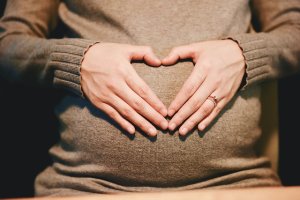
Secondly, the decline in selenium status during pregnancy reflects an increased need for selenium. During the pregnancy, both the mother and the developing fetus need selenium. The mother transfers selenium to the fetus via the placenta [Schomburg 2021].
Thirdly, low selenium status during pregnancy is associated with health risks [Schomburg 2021; Shreenath et al 2023]:
- impaired immune system function
- increased vulnerability to autoimmune diseases
- increased risk of miscarriage, pre-eclampsia, fetal growth restriction, preterm labor, and gestational diabetes
Fourthly, selenium supplementation may be necessary in some cases. To date, the evidence base in support of selenium supplementation during pregnancy is somewhat limited. At this point, we need more randomized controlled trials. However, it is clear that adequate selenium status during pregnancy is important for good immune system function and for preventing the development of autoimmune conditions [Schomburg 2021].
What Do Randomized Controlled Studies of Selenium and Pregnancy Show?
SERENA Study 2019
In the SERENA Study, Mantovani et al enrolled 45 pregnant women with autoimmune thyroiditis, i.e., women with positive TPOAb+ thyroid peroxidase antibodies. Early in their pregnancies, the women had normal functioning of the thyroid gland. The researchers randomly assigned the pregnant women to either a selenium supplementation (83 mcg/day of selenomethionine) group or a placebo group. The selenium supplementation began during the pregnancy and continued postpartum [Mantovani et al 2019].
The key findings from the one-year-long SERENA study showed the following beneficial outcomes of the selenium supplementation compared to placebo [Mantovani et al 2019]:
- reduced TPO antibody levels
- improved thyroid ultrasound inflammatory appearance
- moderated autoimmune thyroid inflammation during and after pregnancy
- reduced incidence of postpartum thyroiditis
- reduced progression to permanent hypothyroidism postpartum
Roberto Negro Study 2007
In an earlier one-year-long study, Roberto Negro et al randomly assigned 214 pregnant women who were positive for TPOAb+ thyroid peroxidase antibodies to either 200 mcg/day selenium (as selenomethionine) or no selenium treatment. The intervention started during pregnancy and continued into the postpartum period [Negro 2007].
The main outcomes of the Negro study suggested that the pregnant women who received the selenium supplement had reduced autoimmune thyroid complications associated with placebo [Negro et al 2007]:
- lower rates of postpartum thyroiditis
- lower rates of permanent hypothyroidism
- reduced thyroid antibody concentrations
Conclusion: Selenium and Pregnancy and Thyroid Function
During pregnancy, selenium deficiency can impair the body’s ability to regulate immune system responses [Schomburg 2021].
Following childbirth, there is an increased risk of autoimmune inflammation of the thyroid in women low in selenium [Schomburg 2021].
The evidence from the SERENA study and the Negro study indicate that selenium supplementation during pregnancy can reduce thyroid autoantibodies and postpartum thyroid dysfunction.
We need more investigation of selenium supplementation during pregnancy.
Sources
Mantovani G et al. Selenium supplementation in the management of thyroid autoimmunity during pregnancy: results of the “SERENA study,” a randomized, double-blind, placebo-controlled trial. Endocrine. 2019;66(3):542-550.
Mao J et al. Effect of low-dose selenium on thyroid autoimmunity and thyroid function in UK pregnant women with mild-to-moderate iodine deficiency. Eur J Nutr. 2016;55(1):55-61.
Negro R et al. The influence of selenium supplementation on postpartum thyroid status in pregnant women with thyroid peroxidase autoantibodies. J Clin Endocrinol Metab. 2007;92(4):1263-1268.
Schomburg L. Selenium deficiency due to diet, pregnancy, severe illness, or COVID-19—A preventable trigger for autoimmune disease. International Journal of Molecular Sciences. 2021;22(16):8532.
Shreenath AP et al. Selenium Deficiency. [Updated 2023 Oct 29]. In: StatPearls [Internet]. Treasure Island (FL): StatPearls Publishing. Available from:
https://www.ncbi.nlm.nih.gov/books/NBK482260/?report=printable
The information in this review article is not medical advice. Readers should not use the information as medical advice.