
Selenium as a single intervention for cancer prevention

In many regions of the world, low soil selenium levels result in the production of low-selenium wheat.  Then, the milling and processing of the wheat results in 14% less selenium in wheat flour than is found in the raw wheat.  The combined result is decreased intakes of dietary selenium and increased risk of cancer. Studies show that supplementation with high-selenium yeast preparations in low-selenium regions has a cancer preventive effect.

On this blog site, seleniumfacts.com, we focus on the health and nutritional benefits of selenium supplementation.  We look at the following types of studies:

  • human studies more so than lab studies or animal studies
  • intervention studies more so than observational studies
  • randomized controlled studies whenever possible

Cancer and Selenium as a single intervention agent

The best studies of selenium as a single intervention to prevent or treat cancer show significant results in regions with low selenium intakes and/or high cancer risk.

Professor Clark’s NPC study

The big breakthrough came when Professor Larry Clark published the results of the Nutritional Prevention of Cancer (NPC) study in the prestigious journal JAMA: The Journal of the American Medical Association.

The NPC study was a multi-center randomized, double-blind, placebo-controlled study carried out in a selenium-poor region of the southeastern United States.  The study participants who took 200 micrograms of a high selenium yeast preparation over an average 4.5-year period showed significant health benefits (as compared to placebo): read more

Selenium and cancer prevention: The Linxian Study

In the 1990s and before, the diets of the people in the Linxian province in China were poor in important micronutrients. Selenium status among the residents was notably low. Cancer rates were high. Supplementation with selenium and other antioxidants reduced cancer incidence and mortality.

The Nutrition Intervention Trials conducted in the Linxian province in China yielded some of the first promising results linking selenium supplementation to the reduction of cancer incidence and mortality.  The Linxian province at the time was characterized by a selenium-poor diet.

The treatment group that received selenium supplements was the group that showed significant health benefits of the supplementation:

  • Significantly lower total mortality
  • Significantly lower cancer mortality
  • Significantly lower stomach cancer mortality

The reduced mortality rates began to become apparent already after 1 – 2 years of supplementation.  The patterns for reductions in cancer incidence generally approximated the patterns for cancer mortality [Blot].

The Linxian study results were exciting because they were published in the Journal of the National Cancer Institute and because they appeared before the results of the Nutritional Prevention of Cancer study in the United States [Clark]. read more

Selenium Compounds Fight Cancer

diabetes-picture, cancer
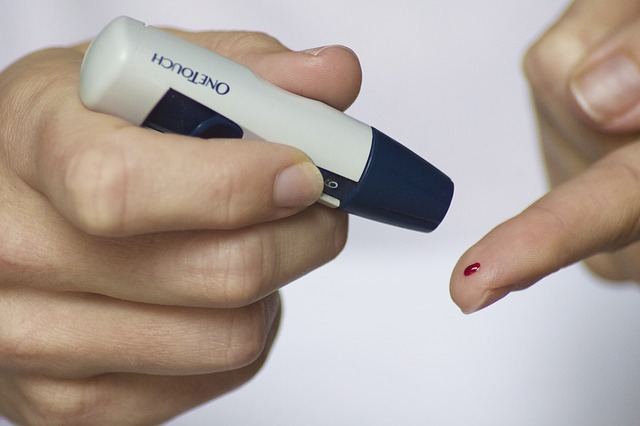
The body’s selenium level can be measured by using a blood sample. Some selenium compounds fight some forms of cancer.

In a new scientific study, Danish researchers from Copenhagen University have demonstrated that methylated selenium compounds can regulate the body’s immune system enabling it to better fight certain cancers. These selenium compounds are found in certain foods such as garlic and broccoli but also in the selenium preparations containing selenium yeast.

Certain cancers, e.g., in the skin, in the prostate, and in some forms of leukemia, weaken the body’s immune system by overstimulating it until it eventually breaks down, giving cancerous cells a free rein in the body. What this new Danish research shows is that the intake of selenium compounds that can be metabolized into methylselenol improves the immune system’s ability to fight cancer. read more