
Selenium and Thyroid Health Reviewed

What is the role of selenium for thyroid health?
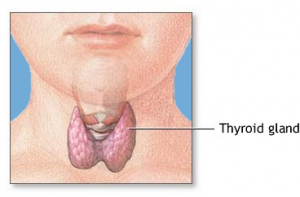
Thyroid gland
The thyroid gland is the small gland in the front of the neck that makes thyroid hormones. The hormones regulate how the body uses energy. Optimal selenium status is important for good thyroid health.

Sufficient selenium is essential for normal thyroid hormone synthesis and activation. Furthermore, selenium is important for protection of the thyroid gland against oxidative stress. Note that both deficiency and excessive intake can impair thyroid health [Gorini 2021].

Several selenium-dependent enzymes catalyze thyroid hormone synthesis and activation. Similarly, selenoenzymes provide antioxidant protection against oxidative damage [Gorini 2021].

Importantly, selenium is incorporated into deiodinases. These enzymes convert the T4 hormone into the biologically active hormone T3. In addition, antioxidant selenoenzymes such as the glutathione peroxidases and the thioredoxin reductases neutralize hydrogen peroxide radicals that are generated during thyroid hormone production [Gorini 2021]. read more

Selenium and Inflammation in Heart Disease

Does selenium status affect biomarkers of inflammation in patients with heart disease?
Senior citizens
The KiSel-10 study showed that senior citizens low in selenium had higher levels of biomarkers of inflammation. Combined selenium and Coenzyme Q10 supplementation reduced their risk of mortality from heart disease.

In a 2026 Norwegian study, researchers examined and compared epicardial adipose tissue biopsies from two groups of heart disease patients [Opstad 2026]:

  • Coronary artery disease patients undergoing coronary artery bypass grafting (n = 52)
  • Heart valve disease patients receiving valve replacement (n = 22)

The heart valve disease patients had lower vulnerability to elevated inflammation levels. As such, they served as a control group to the group of coronary artery disease patients.

The research team obtained the epicardial adipose tissue biopsies during open-chest heart surgery. They measured selenium concentrations in the blood circulation and in the epicardial adipose tissue of the heart disease patients.

Epicardium and epicardial adipose tissue
Question: What is the epicardium?

The Cleveland Clinic explains that the epicardium is the outer layer of the heart muscle and the inner layer of the pericardium that surrounds the heart. A layer of fat (= adipose tissue) separates the epicardium from the heart muscle. The epicardium protects the heart and helps the heart function [Cleveland Clinic staff 2025]. read more