Selenium and Diabetes and Insulin Resistance

What do intervention studies show about selenium supplementation and diabetes risk?

Diabetes finger prick
Selenium supplementation studies show improved insulin sensitivity in adults with diabetes and insulin resistance who have low selenium status.

A 2026 review has found that selenium supplementation improves insulin sensitivity in individuals who are low in selenium. The effect is especially evident in adults with diabetes or insulin resistance. The effect of selenium supplementation in women with polycystic ovary syndrome and in postmenopausal women is less unequivocal. Moreover, studies show that selenium supplementation of individuals with replete selenium status does not make sense [Morales-Juárez 2026].

What other effects, in addition to improving insulin sensitivity, does selenium supplementation have in individuals with diabetes or insulin resistance? read more

Selenium and Type 2 Diabetes

Type 2 Diabetes. Some news reports have suggested that high selenium intakes and status may be potential risk factors for the development of type 2 Diabetes mellitus. However, current data show that supplemental selenium does not cause diabetes [Schomburg 2020].

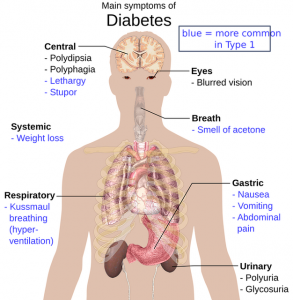
Diabetes symptoms
It seems likely that diabetes causes elevated blood selenium levels rather than the other way around [Schomburg 2020].
Two large randomized controlled trials using selenium supplements have shown no diabetes risk caused by 1) a selenomethionine product [Lippman 2009] and 2)   a selenium-enriched yeast product [Thompson 2016; Jacobs 2019]. In neither study was there any significant risk of diabetes  at the recommended dosage, not even among selenium-replete individuals of various ages and both genders [Schomburg 2020].

Moreover, in the Selenium Trial, the researchers saw no causal role for selenium in the development of insulin resistance or diabetes. Instead, they observed decreased fasting blood glucose levels in the selenium supplemented group compared to the control group [Jacobs 2019]. read more

Selenium Supplementation: No Adverse Effect on Insulin Resistance

Researchers at the Arizona Cancer Center report study results that do not support any significant adverse effect of daily supplementation with 200 micrograms/day of selenized yeast on beta-cell function or insulin sensitivity. High-selenium yeast preparations contain more selenium species with more biological functions than the 100% selenomethionine preparations do.

Researchers at the University of Arizona Cancer Center in Tucson have reported interesting findings on insulin resistance with respect to selenium supplementation [Jacobs 2019]:

  • Supplementation with 200 micrograms/day of a selenized yeast preparation for 2.9 years had no effect on insulin sensitivity or beta-cell function as compared with the placebo group.
  • Further stratification of the data by sex and age showed no effect modification in response to the selenium supplementation.

The Take-Home Message from this Selenium Research

  • The Arizona Cancer Center research does not support the idea of a major role for selenium in insulin sensitivity or beta-cell function.
  • The University of Arizona researchers write that their results provide key information for clinicians to convey to patients in the USA about the use of selenized yeast dietary supplements.

The Selenium Supplementation Research Design

The researchers analyzed the data from a subset of 400 individuals who were participating in the Selenium Trial, a randomized, double-blind, placebo-controlled trial of the effect of selenium supplementation at 200 micrograms per day on colorectal adenomatous polyps [Jacobs 2019].

The data included the fasting plasma glucose and insulin measured both before randomization and within 6 months of completing the intervention.

The researchers compared changes in the homeostasis model assessment-beta cell function (HOMA2-%beta) and insulin sensitivity (HOMA2-%S) between the active selenium treatment group and the placebo control group. read more

Selenium supplementation and insulin resistance: a clinical study

The latest clinical evidence shows that selenium supplementation of older adults with 200 micrograms of a high-selenium yeast preparation for up to three years does not adversely affect pancreatic beta-cell function or insulin resistance.

Results from a clinical trial comparing 200 micrograms of selenium supplementation with placebo supplementation show no effect of the selenium supplementation on measures of insulin secretion and insulin resistance [Jacobs]. 

These results can be regarded as important evidence that selenium supplementation for up to three years in older individuals has no diabetes causing effects in humans [Jacobs].

The researchers who conducted the selenium and insulin resistance study concluded that the results of the study do not show a causal role for selenium in the development of insulin resistance or in the development of type-2 diabetes [Jacobs].

Research design of the selenium and insulin resistance study

Background: In 2016, researchers at the Arizona Cancer Center in Tucson reported on the results of the Selenium Trial [Thompson]. read more