
Selenium and Immune Function and DNA Repair

Selenium is a trace element essential for for DNA repair, for  good immune function, and for reduced mortality risk.
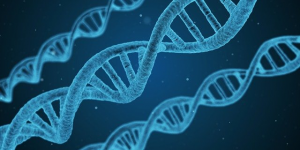
DNA double helix
Cell studies, animal models, and human clinical trials suggest that an optimal supply of selenium is required to enhance the process of DNA damage repair.

The Micronutrient Information Center maintained by staff members at the Linus Pauling Institute of the Oregon State University provides reliable information about the vitamins and minerals and trace elements used in nutritional supplements.

Today, I want to summarize the information that the Center provides about selenium and supplement that information with the latest scientific research.

An Introduction to Selenium and Selenoproteins

Selenium is a trace element that is essential that humans need for the proper functioning of selenium-dependent selenoproteins. Free selenium is rare in the body. Instead, the selenium in the body is typically a component of selenomethionine, selenocysteine, and methyl-selenocysteine. read more

Selenium Supplementation and Prostate Cancer

New Zeland landscape
The New Zealand study results suggest that each of us needs to take personalized selenium supplement dosages based on our individual characteristics rather than have all of us take the same 200 microg/day tablet for prostate health benefits [Karunasinghe 2019].
Demographic, dietary, genetic, and life style factors influence the prostate health effects of selenium supplementation according to New Zealand researchers.

An inverse association between serum selenium concentrations and prostate-specific antigen levels was especially strong in the following sub-groups of study participants [Karunasinghe 2019]:

  • men below the age of 55 years
  • men who never smoked
  • men carrying the GPX1 rs1050450 T allele
  • men with dietary intakes above the recommended daily intake for zinc (11 mg)
  • men with dietary intakes below the recommended daily intake for vitamin B12 (15 mcg)

Moreover, the increase in serum selenium status and the resulting post-supplementation serum selenium status were significantly dependent upon baseline serum status [Karunasinghe 2019].

The overall gain in serum selenium levels from supplementation declined at a rate of 0.828 microg/L with each one microg/L increase in baseline serum selenium level [Karunasinghe 2019]. read more

Selenium Status and Prostate Cancer Risk

The light blue ribbon is the prostate cancer awareness ribbon. Along with skin cancer, prostate cancer is the most common cancer among American men. The American Cancer Society estimates that one man in nine will be diagnosed with prostate cancer during his lifetime. Research shows that blood selenium status within a specific range is associated with reduced risk of prostate cancer.

One of the big challenges in selenium research is the optimizing of the daily selenium intake to reduce the risk of prostate cancer. We need more research results to answer the following questions about the use of selenium supplements to reduce the risk of prostate cancer [Waters & Chiang 2017]:

  • What is the optimal formulation of the selenium supplement?
  • What is the correct daily dosage?
  • What is the range of baseline blood selenium concentrations that indicates a need for selenium supplementation?
  • What is the blood selenium level above which selenium supplementation will not reduce the risk of prostate cancer further?

The idea that selenium intakes and selenium status are an important determinant of prostate cancer risk began to receive considerable attention after University of Arizona Professor Larry Clark published the results of the Nutritional Prevention of Cancer Trial in JAMA in December 1996 [Clark 1996].

High-Selenium Yeast Supplements in the Nutritional Prevention of Cancer Trial

The Nutritional Prevention of Cancer Trial (NPCT) was a supplementation trial using 200 micrograms of a selenized yeast preparation or placebo for an average duration of 4.5 years.  The study participants were 1312 men and women with an average age 63 years. read more

Selenium and the prostate

Next to skin cancer, prostate cancer is the most common cancer in men in the United States. It is a leading causes of cancer death among men of all races and ethnic backgrounds. Low selenium status is associated with increased risk of prostate cancer.

There have been some recent research results relating to selenium supplementation and prostate gland tissue.  Researchers in The Netherlands have published results showing that a five-week daily intervention with a high-selenium yeast supplement, 300 micrograms daily, is associated with a down-regulation of genes that are involved with cellular growth and proliferation, with cellular immune response, and with inflammation processes.  Also down-regulated by the selenium supplementation is the activity of genes involved with wound-healing [Kok 2017].

The Dutch study was a randomized, double-blinded, placebo-controlled study.  Interestingly, the researchers saw the opposite effect in the placebo group.  In the placebo group, there was an up-regulation of the genes involved in cellular immune response [Kok 2017]. read more

Prostate cancer risk and selenium status

Selenium supplements in the form of organic high-selenium yeast tablets provide the best cancer chemo-protection. These supplements are made using the yeast species Saccharomyces cerevisiae in a selenium-enriched growth medium. The yeast cells that produce the high selenium yeast tablets are rendered inactive. They are killed off by a heating process. Strains of the same yeast species are used to brew beer and bake bread.

Selenium supplementation and the risk of prostate cancer?  What do we know?  We need to be careful in interpreting the research results that we have (and we need more research), but, yes, there is evidence for an inverse association between prostate cancer risk and selenium status [Hurst 2012].

As of this writing (April 2017), the protective effect of selenium supplementation against prostate cancer seems to be found in a relatively narrow range of plasma selenium status [Hurst 2012].  Furthermore, there seems to be a U-shaped relationship between selenium status and protection against prostate cancer.

If the concentrations of selenium in the plasma are too low, there is increased risk of prostate cancer.  This is a serious concern in many regions of the world. read more