Selenium and Children and Cancer Treatment

Can selenium supplementation help children undergoing cancer treatment?

We need more clinical studies of the topic. However, here is what we know:

Child yawning
Selenium supplements may help to modulate inflammatory responses in pediatric oncology patients.

Children in chemotherapy often have low serum selenium status. The reasons include low dietary selenium intake, increased oxidative stress, and altered metabolism [Podpeskar 2023].

  • Optimal selenium intake is important. Antioxidant enzymes such as the glutathione peroxidases and selenoprotein P incorporate selenium. In the body, these antioxidant enzymes help protect cells from oxidative damage [Podpeskar 2023].
  • Selenium supplementation can alter the gene expression of antioxidant and inflammatory regulators in children with cancer. This suggests evidence of molecular activity even if the levels of inflammatory markers in the blood remain unchanged [Delgado 2026].
  • How can selenium supplements complement cancer treatment in children?

    Delgado et al investigated the extent to which selenium supplementation can modulate antioxidant defense mechanisms and inflammation in children and adolescents undergoing treatment for cancer. The researchers knew that children need selenium to regulate immune function and oxidative stress. read more

    Selenium and Thyroid Disorders and Type 2 Diabetes Reviewed

    Why selenium important for thyroid hormone metabolism?

    Sufficient selenium is essential for normal thyroid hormone synthesis and activation. Furthermore, selenium is important for protection of the thyroid gland against oxidative stress. Note that both selenium deficiency and excessive intake can impair thyroid health [Gorini 2021].

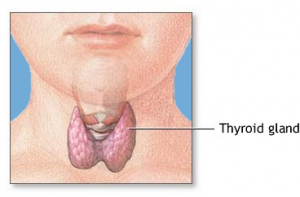
    Thyroid gland needs selenium
    Hypothyroidism can alter glucose metabolism and can increase the risk of insulin resistance.

    Several selenium-dependent enzymes catalyze thyroid hormone synthesis and activation. Similarly, selenoenzymes provide antioxidant protection against oxidative damage [Gorini 2021].

    Importantly, selenium is incorporated into deiodinases. These enzymes convert the T4 hormone into the biologically active hormone T3. In addition, antioxidant selenoenzymes such as the glutathione peroxidases and the thioredoxin reductases neutralize hydrogen peroxide radicals that are generated during thyroid hormone production [Gorini 2021]. read more

    Selenium and Graves’ Orbitopathy

    Where is the strongest evidence that selenium supplementation helps a thyroid disorder?

    Answer: The strongest evidence is from studies of patients with Graves’ orbitopathy.

    What is Graves’ orbitopathy (GO)?
    Prof Urban Alehagen, selenium researcher
    In 2024, Prof. Urban Alehagen published KiSel-10 study results that showed that combined selenium and Coenzyme Q10 supplementation of elderly individuals low in selenium has beneficial health effects on thyroid hormones.

    Answer: GO, also known as thyroid eye disease, is an inflammatory autoimmune disorder. It affects the tissues around the eyes. It causes swelling and discomfort. Most frequently, it affects individuals who have Graves’ disease [Cleveland Clinic 2026].

    What does the clinical evidence show about selenium supplementation and Graves’ orbitopathy?

    Answer: In 2026, Kostadinov et al examined data from five RCTs including 303 patients with Graves’ Orbitopathy. 165 patients received selenium; 138 received placebo or no selenium. Selenium supplementation resulted in a significant reduction in clinical activity score. However, the meta-analysis showed no significant differences in Quality of Life improvement or in visual function [Kostadinov 2026]. read more

    Selenium and Thyroid Health Reviewed

    What is the role of selenium for thyroid health?
    Thyroid gland
    The thyroid gland is the small gland in the front of the neck that makes thyroid hormones. The hormones regulate how the body uses energy. Optimal selenium status is important for good thyroid health.

    Sufficient selenium is essential for normal thyroid hormone synthesis and activation. Furthermore, selenium is important for protection of the thyroid gland against oxidative stress. Note that both deficiency and excessive intake can impair thyroid health [Gorini 2021].

    Several selenium-dependent enzymes catalyze thyroid hormone synthesis and activation. Similarly, selenoenzymes provide antioxidant protection against oxidative damage [Gorini 2021].

    Importantly, selenium is incorporated into deiodinases. These enzymes convert the T4 hormone into the biologically active hormone T3. In addition, antioxidant selenoenzymes such as the glutathione peroxidases and the thioredoxin reductases neutralize hydrogen peroxide radicals that are generated during thyroid hormone production [Gorini 2021]. read more

    Selenium and Inflammation in Heart Disease

    Does selenium status affect biomarkers of inflammation in patients with heart disease?
    Senior citizens
    The KiSel-10 study showed that senior citizens low in selenium had higher levels of biomarkers of inflammation. Combined selenium and Coenzyme Q10 supplementation reduced their risk of mortality from heart disease.

    In a 2026 Norwegian study, researchers examined and compared epicardial adipose tissue biopsies from two groups of heart disease patients [Opstad 2026]:

    • Coronary artery disease patients undergoing coronary artery bypass grafting (n = 52)
    • Heart valve disease patients receiving valve replacement (n = 22)

    The heart valve disease patients had lower vulnerability to elevated inflammation levels. As such, they served as a control group to the group of coronary artery disease patients.

    The research team obtained the epicardial adipose tissue biopsies during open-chest heart surgery. They measured selenium concentrations in the blood circulation and in the epicardial adipose tissue of the heart disease patients.

    Epicardium and epicardial adipose tissue
    Question: What is the epicardium?

    The Cleveland Clinic explains that the epicardium is the outer layer of the heart muscle and the inner layer of the pericardium that surrounds the heart. A layer of fat (= adipose tissue) separates the epicardium from the heart muscle. The epicardium protects the heart and helps the heart function [Cleveland Clinic staff 2025]. read more

    Selenium and Drug-Resistant Breast Cancer

    What is still a major problem in breast cancer therapy?
    Older and younger woman together
    In preclinical studies, selenium compounds show promising efficacy against drug-resistant breast cancer.

    Over time, many breast tumors become resistant to chemotherapy. Thus, drug-resistant tumors limit the success of anti-cancer therapies. Numerous mechanisms decrease the intracellular accumulation of anti-cancer drugs. In this way, breast cancer tumors become less responsive to the chemotherapy [Baier 2026].

    Does supplementary selenium have anti-cancer properties?

    Selenium is an essential trace element. Through the activity of selenoproteins, selenium is involved in the following potentially anti-cancer activities [Baier 2026]:

    • Antioxidant defense
    • Immune modulation
    • Redox regulation

    Note: Cancer cells often rely on altered redox balance. Accordingly, selenium compounds may disrupt tumor survival mechanisms. At the same time, they can spare normal cells and tissues.

    How do selenium compounds attack drug-resistant Breast cancer cells?

    In a 2026 review, Baier et al make the point that multi-drug resistance in breast cancer often stems from several resistance pathways acting together. Thus, selenium-containing compounds may help overcome breast cancer patients’ multi-drug resistance via overlapping multiple mechanisms: read more

    Selenium and Pregnancy and Thyroid Function

    What Do We Know About Pregnancy and Selenium Deficiency?

    First of all, during pregnancy, biomarkers of selenium status decline considerably. In some pregnancies, the blood level of selenium falls to critically low levels [Schomburg 2021].

    Pregnant woman
    In some studies, low selenium status in pregnancy links to a higher risk of postpartum thyroiditis, particularly in TPO-antibody positive women.

    Secondly, the decline in selenium status during pregnancy reflects an increased need for selenium. During the pregnancy, both the mother and the developing fetus need selenium. The mother transfers selenium to the fetus via the placenta [Schomburg 2021].

    Thirdly, low selenium status during pregnancy is associated with health risks [Schomburg 2021; Shreenath et al 2023]:

    • impaired immune system function
    • increased vulnerability to autoimmune diseases
    • increased risk of miscarriage, pre-eclampsia, fetal growth restriction, preterm labor, and gestational diabetes

    Fourthly, selenium supplementation may be necessary in some cases. To date, the evidence base in support of selenium supplementation during pregnancy is somewhat limited. At this point, we need more randomized controlled trials. However, it is clear that adequate selenium status during pregnancy is important for good immune system function and for preventing the development of autoimmune conditions [Schomburg 2021]. read more

    Selenium and Male Fertility

    Important question: Does selenium play a role in male reproductive health? If so, how?

    Man working out with weights
    Roughly one in ten men in the USA and in Europe have infertility issues. The extent varies from region to region. Selenium supplementation in selenium-poor regions can improve with sperm morphology and sperm motility.

    A 2026 review of the relevant research literature shows the following relationships. A daily intake of selenium at the rate of 100 mcg per day led to significantly improved sperm motility. The same daily 100-mcg intake was associated with an 11 % increase in paternity. Thus, it seems that selenium does play an important role in male fertility. Selenium has dose-dependent antioxidant and endocrine functions [Patel 2026].

    How does selenium status improve male fertility?

    Sufficient selenium intake and status lead to optimal synthesis of selenoproteins, in particular selenoprotein P and the glutathione peroxidases. These antioxidant selenium-dependent enzymes protect mitochondrial function and sperm membranes against oxidative damage. Specifically, they catalyze the reduction of hydrogen peroxide and lipid hydroperoxides [Patel 2026]. read more

    Selenium and Mercury in the Fish We Eat

    What should we know about eating fish and exposure to mercury in fish?
    Fish and chips
    Fish and chips. How careful should we be about eating fish? Which fish contain more harmful mercury than protective selenium? What should pregnant women know about eating fish during pregnancy?

    Fact: Most fish contain mercury. Mercury is a toxic substance. Fortunately, most fish contain both selenium and mercury. On a molar basis, most edible fish contain more selenium than mercury. That makes it safe to eat most fish [Ralston 2024; Ralston 2016].

    The selenium in fish binds tightly to mercury. The binding forms stable complexes that prevent mercury from damaging our cells. When there is more selenium than mercury (on a molar basis), this binding effectively neutralizes mercury’s toxicity. As a result, the mercury becomes biologically inactive and far less harmful when we eat the fish [Ralston 2023].

    Even so, having just enough selenium available to neutralize the mercury exposure is not good enough. Logically, there must be a surplus of selenium. Without a surplus of selenium, there will not be enough selenium to synthesize antioxidant selenoenzymes. And, we need the antioxidant selenoenzymes to counteract the harmful free radicals in the brain. Providing more selenium, via supplementation if necessary, keeps selenoenzymes doing their antioxidant job. read more

    Selenium and Mercury Toxicity

    Nick Ralston has spent many years doing research into the interaction between selenium and mercury in the human body. He is a research scientist and adjunct professor in the Department of Earth System Sciences and Policy at the University of North Dakota. His research has changed how scientists and regulators think about mercury’s impact on human health. Now, scientists regard selenium status as a central factor in determining the risk of mercury toxicity [Ralston 2018; Ralston 2010].

    Selenium basic facts
    Selenium and mercury interact strongly with one another. Selenium can bind to mercury and protect brain from damage. However, mercury’s binding to selenium reduces the amount of selenium available for antioxidant defense and thyroid function.

    Previously, the most common explanation of mercury toxicity was that mercury exposure directly caused oxidative stress. Selenium’s binding with mercury, it was thought, reduced the risk of oxidative stress and reduced the risk of mercury toxicity. read more