
Selenium and Graves’ Hyperthyroidism

What was the GRASS trial of selenium supplementation and Graves’ hyperthyroidism?
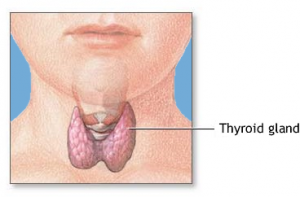
Thyroid gland
The thyroid gland needs optimal selenium for thyroid hormone functions and protection.

The GRASS trial was a multi-centre randomized controlled trial. The researchers enrolled 430 individuals with newly diagnosed Graves’ hyperthyroidism. In addition to standard hyperthyroidism medication, the study participants received daily supplementation with 2 x 100 mcg selenium or placebo tablets during 24–30 months, depending on the timing of antithyroid drug withdrawal. The primary outcomes that they measured were 1) rate of remission and 2) quality of life [Cramon 2026].

What selenium preparation did the GRASS trial test?

The researchers used organic selenium in the form of selenium-enriched yeast, consisting mainly of selenomethionine, at a dose of 200 mcg of selenium per day (two 100 mcg tablets).

  • Product: Organic selenium (100 mcg tablets).
  • Manufacturer: Jemo-Pharm A/S, Stege, Denmark.
  • Placebo: Matching tablets made with non-selenium-enriched yeast.
What effects did the GRASS trial show?

As an adjuvant treatment to standard Graves’ hyperthyroidism therapy, the selenium adjuvant treatment did not show any significant effect, compared with placebo, on remission rate and quality of life [Cramon 2026]. read more

Selenium and Thyroid Disorders and Type 2 Diabetes Reviewed

Why selenium important for thyroid hormone metabolism?

Sufficient selenium is essential for normal thyroid hormone synthesis and activation. Furthermore, selenium is important for protection of the thyroid gland against oxidative stress. Note that both selenium deficiency and excessive intake can impair thyroid health [Gorini 2021].

Thyroid gland needs selenium
Hypothyroidism can alter glucose metabolism and can increase the risk of insulin resistance.

Several selenium-dependent enzymes catalyze thyroid hormone synthesis and activation. Similarly, selenoenzymes provide antioxidant protection against oxidative damage [Gorini 2021].

Importantly, selenium is incorporated into deiodinases. These enzymes convert the T4 hormone into the biologically active hormone T3. In addition, antioxidant selenoenzymes such as the glutathione peroxidases and the thioredoxin reductases neutralize hydrogen peroxide radicals that are generated during thyroid hormone production [Gorini 2021]. read more