
Why selenium important for thyroid hormone metabolism?
Sufficient selenium is essential for normal thyroid hormone synthesis and activation. Furthermore, selenium is important for protection of the thyroid gland against oxidative stress. Note that both selenium deficiency and excessive intake can impair thyroid health [Gorini 2021].
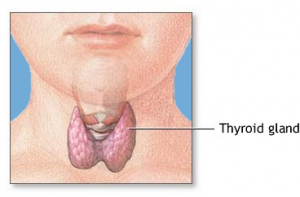
Several selenium-dependent enzymes catalyze thyroid hormone synthesis and activation. Similarly, selenoenzymes provide antioxidant protection against oxidative damage [Gorini 2021].
Importantly, selenium is incorporated into deiodinases. These enzymes convert the T4 hormone into the biologically active hormone T3. In addition, antioxidant selenoenzymes such as the glutathione peroxidases and the thioredoxin reductases neutralize hydrogen peroxide radicals that are generated during thyroid hormone production [Gorini 2021].
How are selenium and type 2 diabetes related?
In a 2022 review, Gorini et al concluded that the relationship between selenium and type 2 diabetes displays a U-shaped pattern. Both low selenium status and high selenium status may increase the risk of developing type 2 diabetes. Gorini et al do not cite specific low or high serum selenium thresholds.
Accordingly, Gorini et al advocate an emphasis on maintaining optimal selenium status rather than routine supplementation [Gorini 2022; Gorini 2021].
Note: A key explanation for the relationship between selenium and type 2 diabetes is the 2020 scientific paper by Lutz Schomburg: The other view: The trace element selenium as a micronutrient in thyroid disease, diabetes, and beyond. Highly recommended.
What is optimal selenium status?
Optimal selenium status means having enough selenium to maximize the activity of key selenoproteins but without exceeding levels that may become harmful [Gorini 2021].
Specifically, Gorini et al note that serum/plasma selenium concentrations around 90–120 mcg/L enable the maximum expression of the selenoproteins glutathione peroxidase and selenoprotein P. Most likely, the optimal serum selenium status for most individuals is closer to 120 mcg/L. Selenium status above this range probably confers little physiological benefit.
In 2023, EFSA established an upper tolerable intake level or 255 mcg/day for adult men and women (including pregnant and lactating women). EFSA suggested deriving the upper limit for children from the upper limit for adults using the child’s body weight.
What is the role of selenium supplementation?
Gorini et al acknowledge that supplementation benefits certain individuals with thyroid disorders. In particular, supplementary selenium can help individuals with low dietary selenium intakes. However, there is no current evidence to support recommending routine supplementation for all patients.
To put it another way: supplementation is likely helpful in regions with low selenium content in the soil and in the regional crops. Supplementation with selenium is not recommended universally. Supplementation should be individualized based on the individual’s selenium status and clinical context [Gorini 2022].
Conclusions: Selenium and Thyroid Disorders and Diabetes
Selenium is essential for both thyroid hormone synthesis and antioxidant protection of the thyroid gland.
Both very low and very high selenium exposure are associated with adverse outcomes.
Maintaining optimal selenium status – ca. 120 mcg/L in serum – is important.
Sources
EFSA Panel on Nutrition, Novel Foods and Food Allergens. Scientific opinion on the tolerable upper intake level for selenium. EFSA Journal. 2023;21(1):7704.
Gorini F et al. Selenium: An element of life essential for thyroid function. Molecules. 2021 Nov 23;26(23):7084.
Gorini F & Vassalle C. Selenium and selenoproteins at the intersection of type 2 diabetes and thyroid pathophysiology. Antioxidants. 2022;11(6):1188.
Schomburg L. The other view: The trace element selenium as a micronutrient in thyroid disease, diabetes, and beyond. Hormones (Athens). 2020;19(1):15-24.
The information presented in this review article is not medical advice. The reader should not use this information as medical advice.